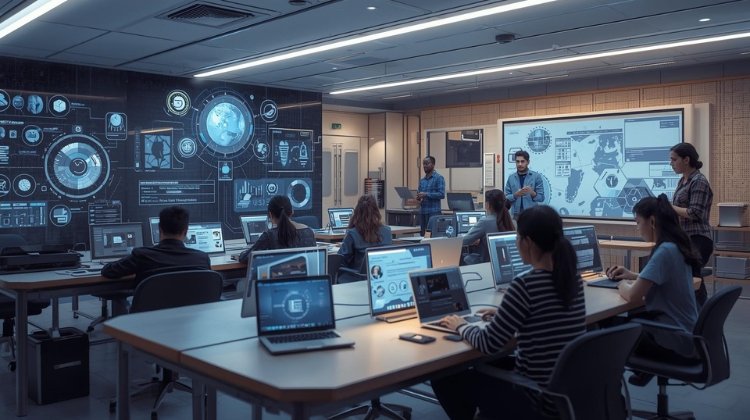
Instructional Design is often mistakenly confined to the glass of a laptop screen or the linear path of a corporate compliance module. However, when we apply rigorous instructional frameworks to a physical STEM lab,
The 60-minute e-learning marathon is obsolete Whether you are designing corporate compliance training for adults or building a STEM curriculum for middle schoolers, attention is the most heavily taxed resource in the room. Modern
Generative Artificial Intelligence can draft a 10-module course outline, write assessment questions, and generate branching scenario scripts in under 60 seconds. But is it a good course? As the Learning and Development (L&D) sector
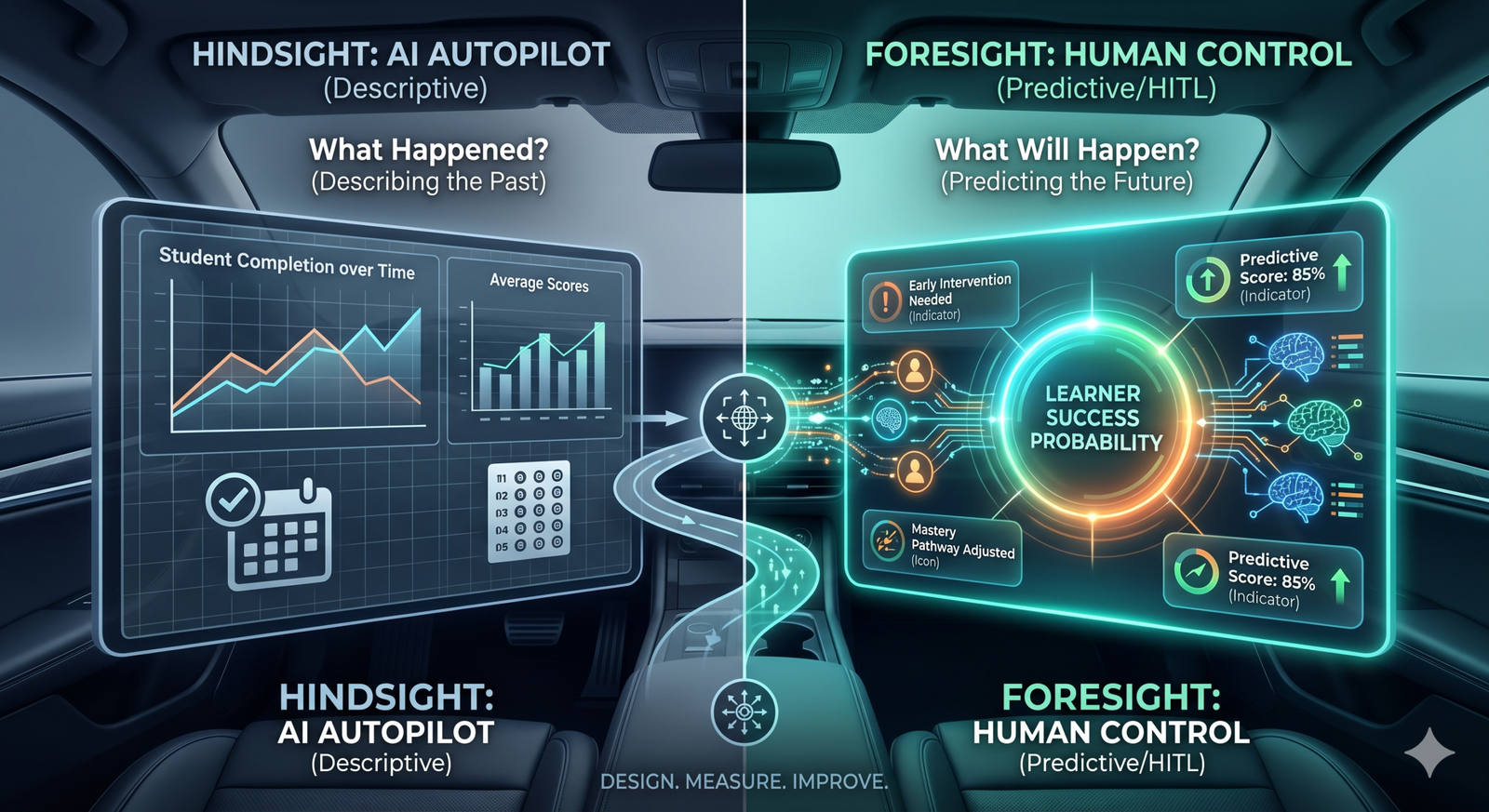
Stop reacting to training failures after they happen. If you are only looking at basic Canvas completion rates, you are designing in the past. In the rapidly evolving landscape of instructional design, the reliance
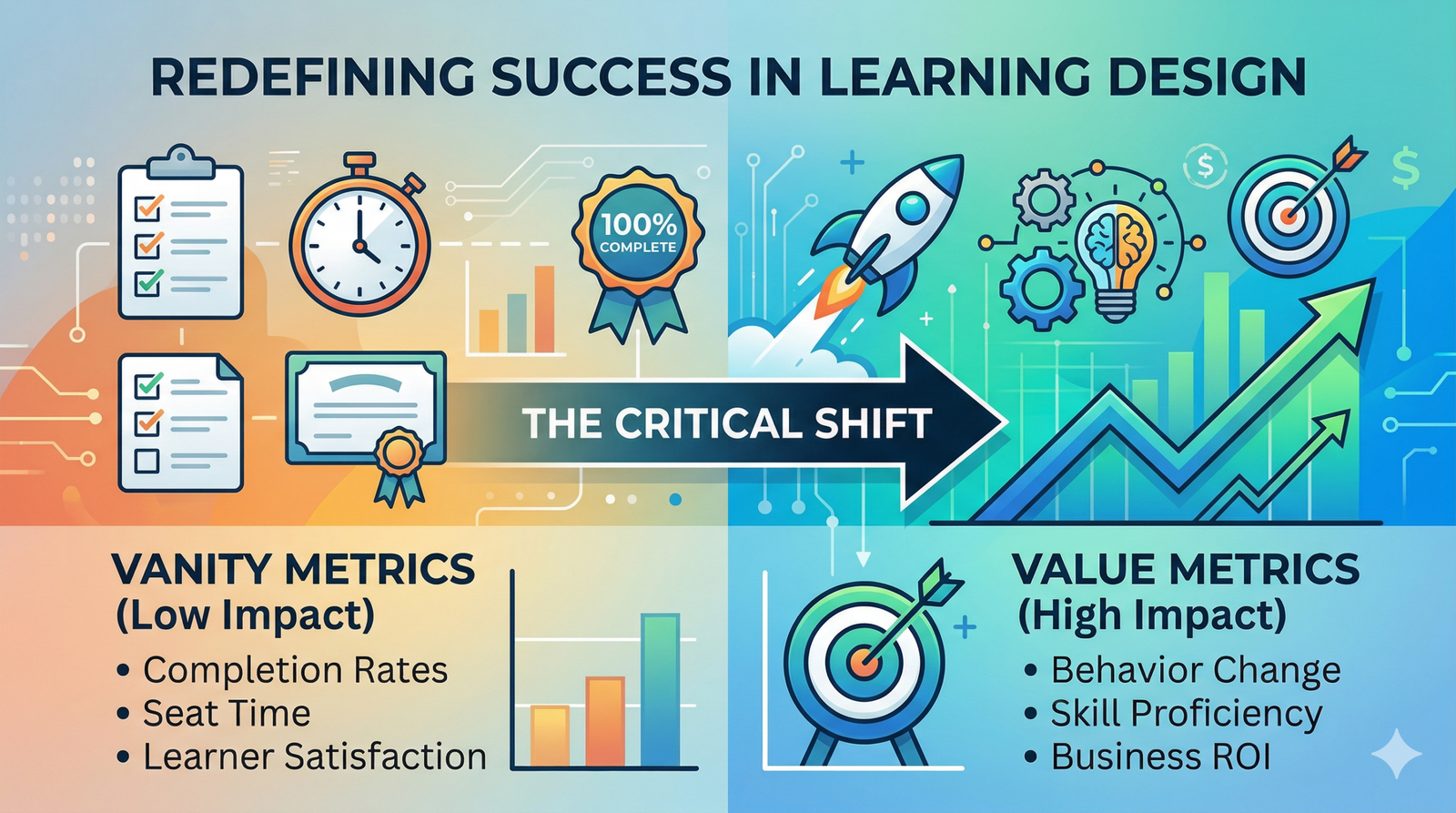
It is a familiar scene in almost every organization and classroom: a new training module is rolled out, learners click through the slides, pass a basic multiple-choice quiz, and the learning management system (LMS)
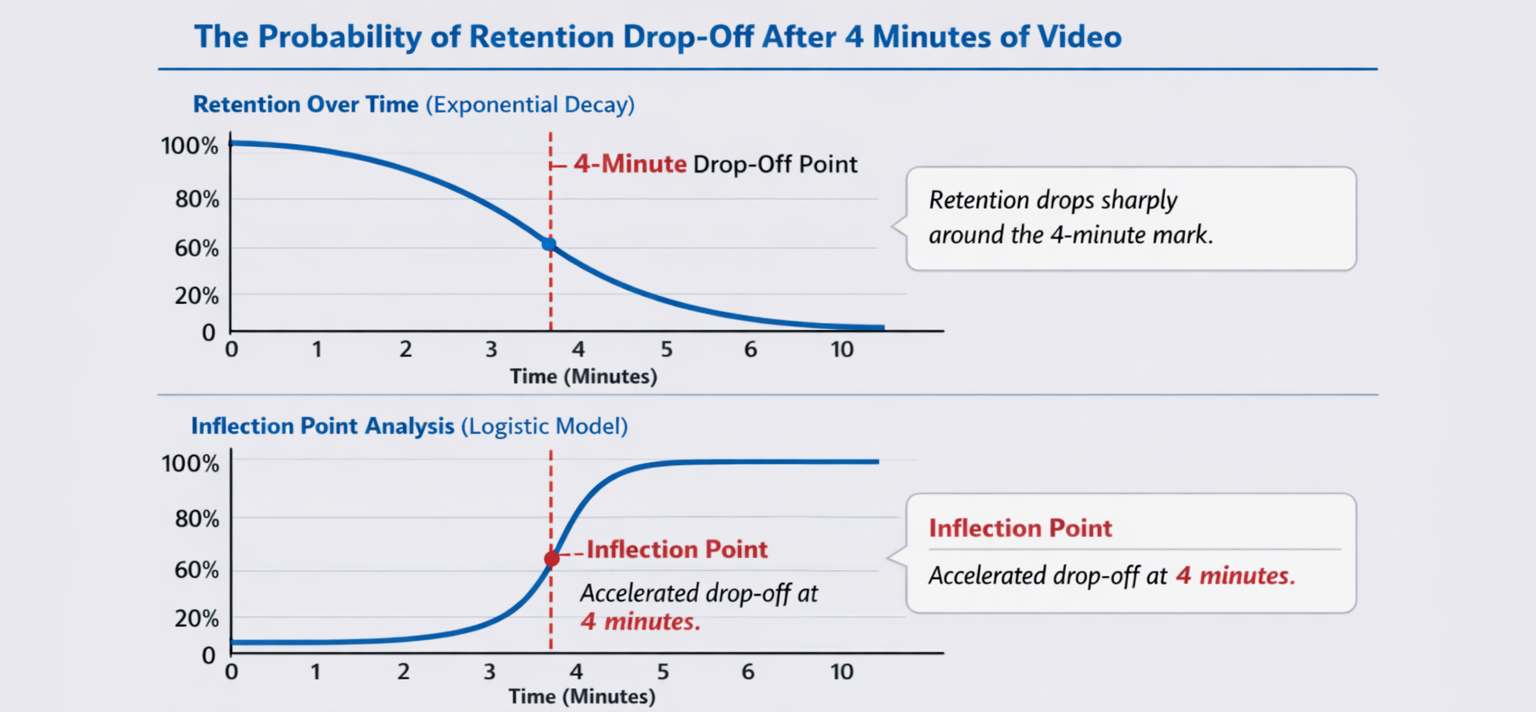
Video has become a central medium for learning, communication, and entertainment. Yet one of the persistent challenges in online video design is sustaining viewer attention. Empirical evidence from multiple fields suggests that viewer retention
Abstract The traditional approach to accessibility in instructional design has been reactive, a model of “accommodation,” where accessible features are added to existing learning objects only after a specific need or disability is identified.
For too long, accessibility in instructional design has been treated as a “Phase 2” problem. We build the course, launch it, and then—if we have budget left over—we go back and add alt-text or
The domain of instructional design is at a crucial turning point. For many years, we’ve discussed the possibility of artificial intelligence (AI) transforming education. We’ve conducted pilot programs, tested various tools, and deliberated on
The greatest scarcity in education isn’t funding or resources; it’s time. For years, we’ve accepted that “teaching” is actually 40% instruction and 60% administration. We accept that weekends are for grading and evenings are