


Building Science Literacy Skills: Animated Video Showcase
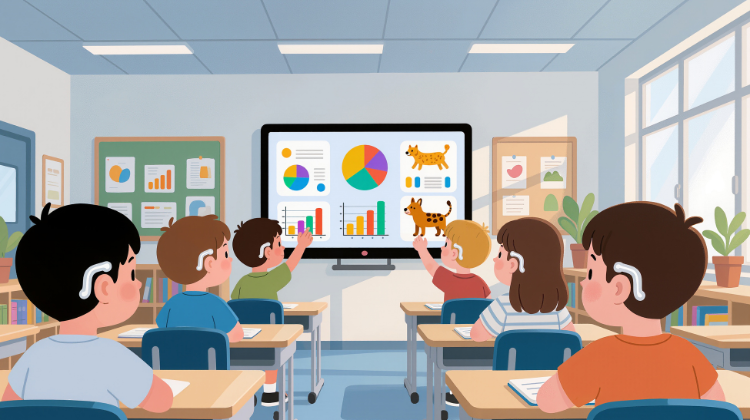
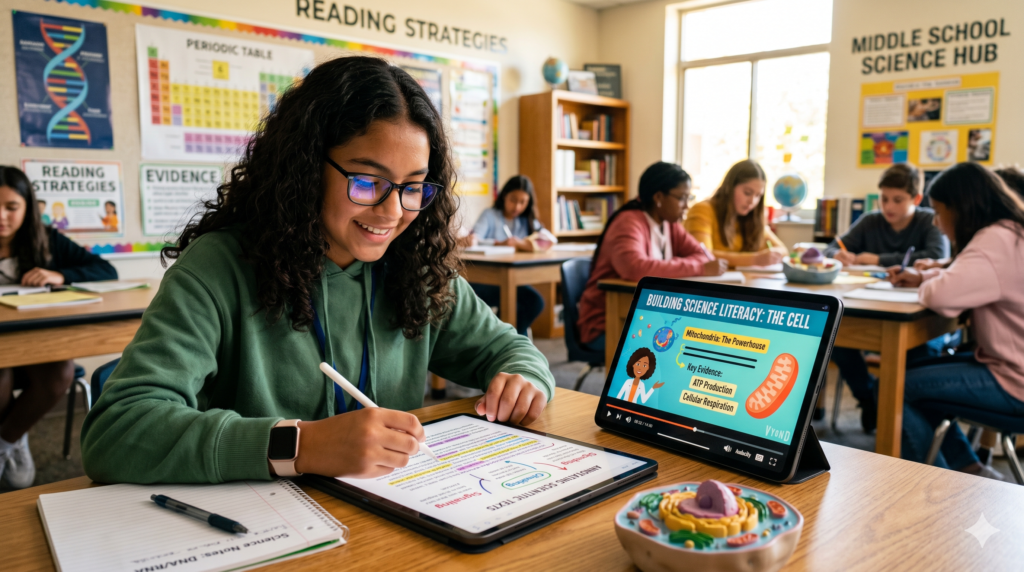
Welcome to the instructional media showcase of my professional portfolio. This animated video serves as a foundational media intervention for the asynchronous module “Reading Science with Purpose” within the broader Building Science Literacy Skills curriculum blueprint. Designed specifically for a diverse cohort of middle school learners (grades 6–8), including English Language Learners (ELLs) and students with Individualized Education Plans (IEPs), this artifact targets a critical academic pain point: navigating dense scientific texts, identifying core evidence, and mastering domain-specific vocabulary.
Technical Production & Tool Integration
To bridge the gap between abstract learning theory and high-fidelity media production, I engineered this digital artifact using a specialized asset pipeline:
-
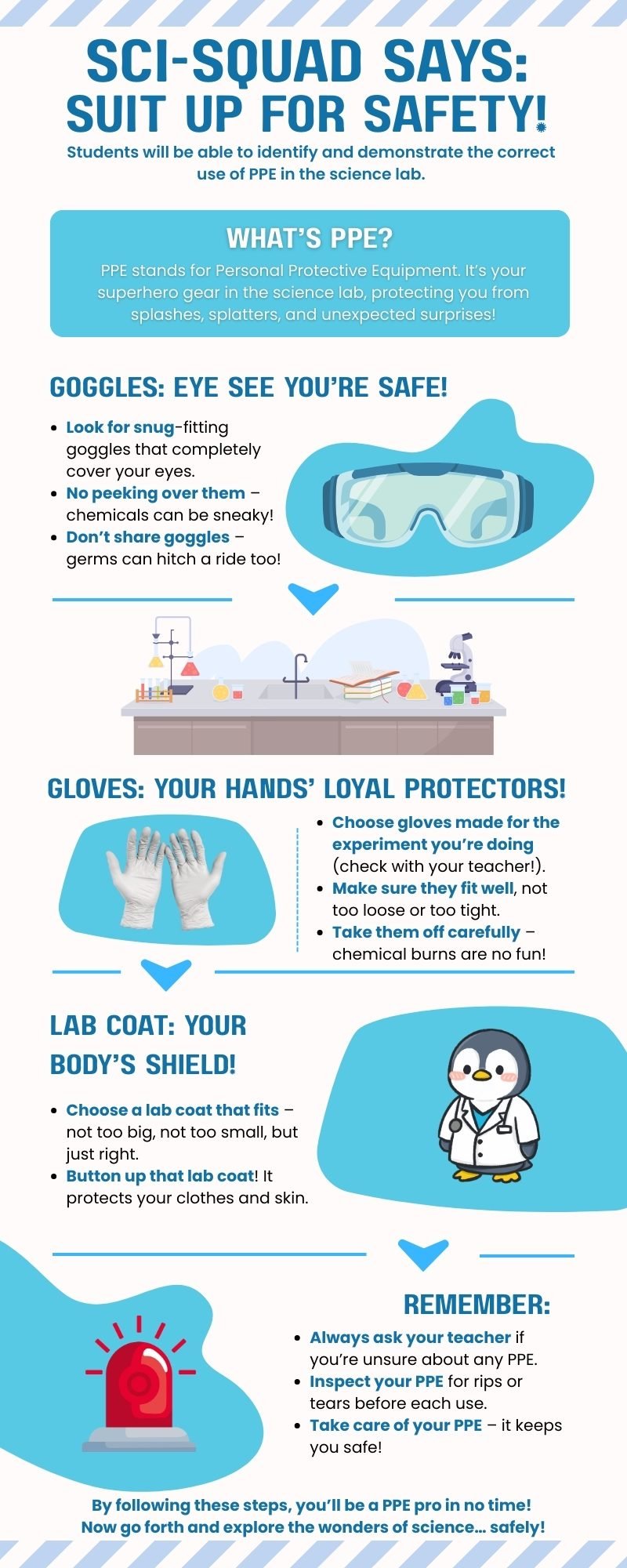
Visual Animation (Vyond): I utilized Vyond to create a highly contextualized, engaging narrative environment that mirrors real-world science challenges. Vyond’s dynamic character rigging and custom asset capabilities allowed me to design precise behavioral modeling and visual metaphors that translate abstract scientific processing into tangible concepts.
-
Audio Engineering (Audacity): Sound design was managed entirely within Audacity to guarantee acoustic clarity and accessibility. I recorded and edited the voiceover narration to optimize vocal pacing, apply noise-reduction profiles, and balance amplitude levels. This meticulous audio tracking ensures that acoustic cues are crisp and completely free of auditory distractions.
https://youtu.be/Oc42biR2Upw
Strategic & Theoretical Framework
By pairing Vyond’s visual versatility with Audacity’s sound engineering, the video explicitly operationalizes key tenets from my Learning Design Toolkit to manage learner cognition:
-
Cognitive Load Theory & Chunking: Recognizing that working memory is strictly limited, the video avoids information dumps by segmenting complex textual analysis strategies into highly digestible, temporal, and conceptual “chunks”.
-
Mayer’s Multimedia & Modality Principles: Compelling visuals from Vyond are perfectly synchronized with Audacity-edited voiceovers. Presenting complementary visual and verbal information simultaneously enables diverse learners to construct meaningful internal mental models more efficiently than text alone can.
-
Signaling & Visual Hierarchy: Utilizing precise visual cues within the animation (such as callout shapes, deliberate color-coding, and strategic arrows), the video actively directs learner focus to critical text-annotation milestones. This scaffolds the extraction of key ideas and supporting evidence without creating visual distraction.
-
Universal Design for Learning (UDL): Proactively addressing learner variability, the media format provides multiple means of representation. It acts as an accessible bridge for ELLs and striving readers by anchoring vocabulary definitions to clear, high-contrast imagery and clear audio narration.
Instructional Alignment & Ecosystem Integration
This animated artifact is directly aligned with Course Objective 1 (CO1), ensuring that students can independently analyze a science text to extract supporting evidence and define essential vocabulary terms. Within the larger learning trajectory, this video serves as the prerequisite cognitive scaffolding: students must first master decoding qualitative scientific text here before they can successfully progress to interpreting quantitative datasets in Module 2 or collaborating on multimedia capstone projects in Genially.
When hosted within a robust LMS ecosystem like Canvas, embedding targeted multimedia assets ensures a predictable, structured, and accessible path toward mastery of science literacy.
Design. Measure. Improve.