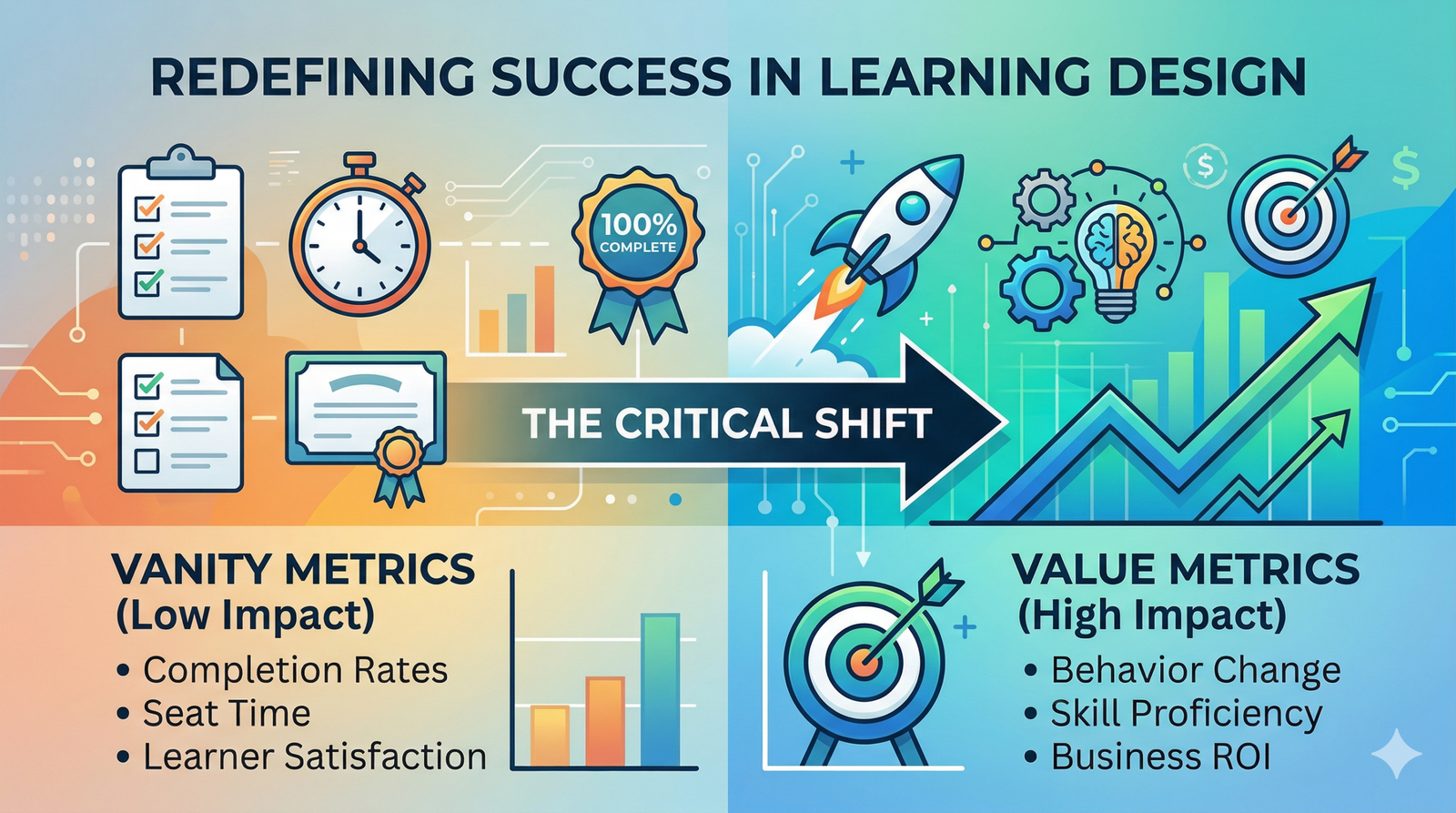
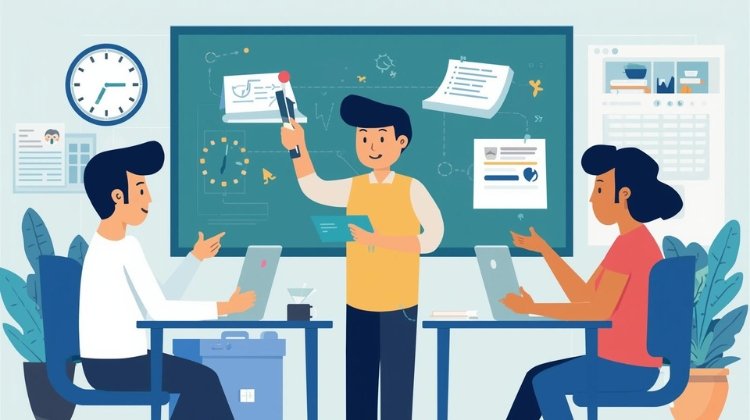
It is a familiar scene in almost every organization and classroom: a new training module is rolled out, learners click through the slides, pass a basic multiple-choice quiz, and the learning management system (LMS)
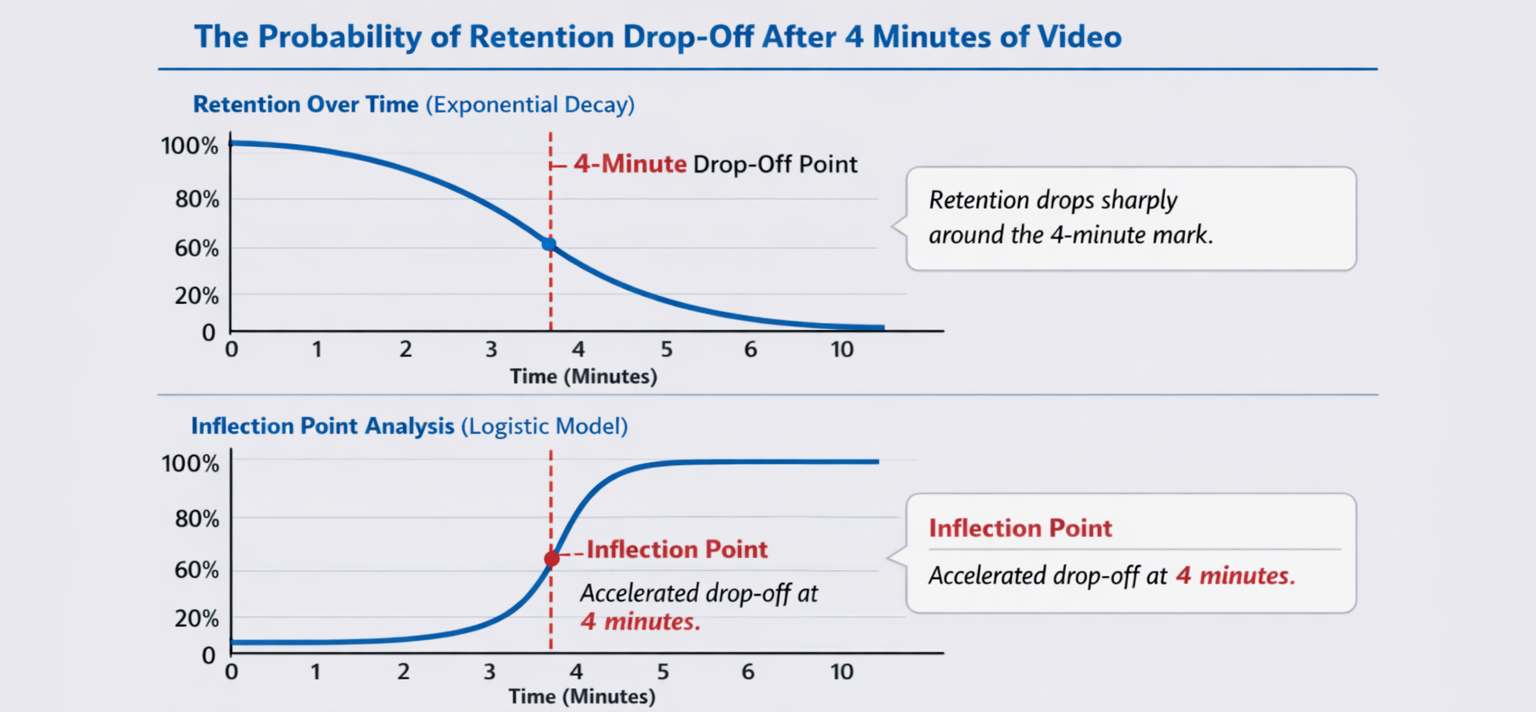
Video has become a central medium for learning, communication, and entertainment. Yet one of the persistent challenges in online video design is sustaining viewer attention. Empirical evidence from multiple fields suggests that viewer retention
Abstract The traditional approach to accessibility in instructional design has been reactive, a model of “accommodation,” where accessible features are added to existing learning objects only after a specific need or disability is identified.
For too long, accessibility in instructional design has been treated as a “Phase 2” problem. We build the course, launch it, and then—if we have budget left over—we go back and add alt-text or
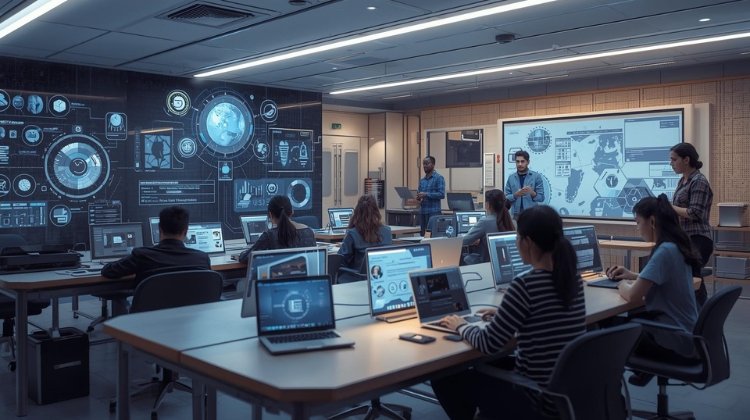
The domain of instructional design is at a crucial turning point. For many years, we’ve discussed the possibility of artificial intelligence (AI) transforming education. We’ve conducted pilot programs, tested various tools, and deliberated on
The greatest scarcity in education isn’t funding or resources; it’s time. For years, we’ve accepted that “teaching” is actually 40% instruction and 60% administration. We accept that weekends are for grading and evenings are
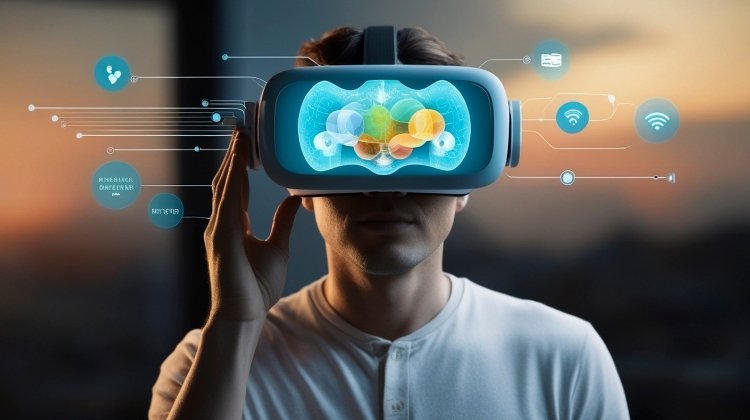
For years, Virtual Reality (VR) in corporate training was treated like a shiny toy; impressive to look at, but difficult to justify in a budget meeting. In 2026, that narrative has flipped. VR is
The modern employee is overwhelmed. In 2026, the average knowledge worker is ping-ponging between Slack, Teams, email, and project management boards, leaving them with practically zero bandwidth for “training.” For years, we’ve known the
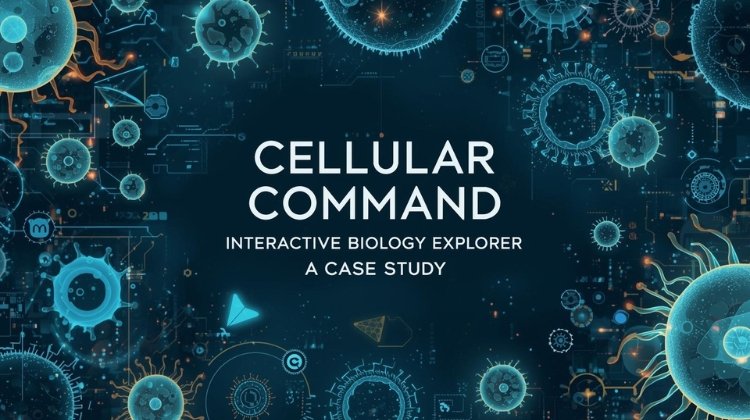
Introduction to the Project The project titled “Cellular Command: Interactive Biology Explorer” is an innovative educational initiative aimed at enhancing the learning experience of 10th-grade students in the field of biology. The primary objective
For decades, learning evaluation was an autopsy. We waited until the course was over, looked at the completion rates and quiz scores, and asked, “What happened?” If the results were poor, it was too