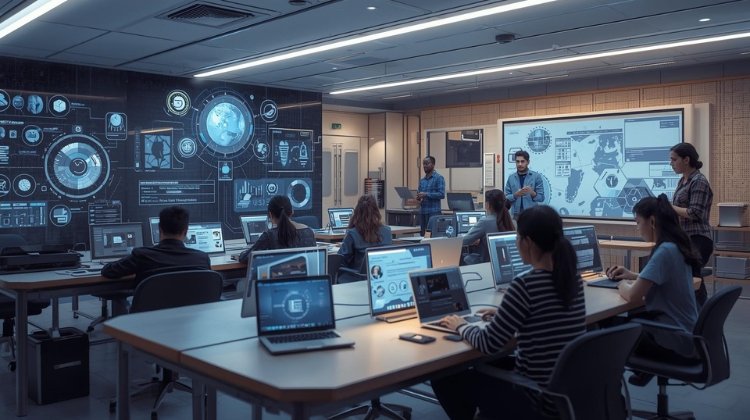
Adaptive Learning: Why 2026 Is a Turning Point for Instructional Design
The domain of instructional design is at a crucial turning point. For many years, we’ve discussed the possibility of artificial intelligence (AI) transforming education. We’ve conducted pilot programs, tested various tools, and deliberated on the consequences. However, 2026 is emerging as the year when theory will turn into practice, with AI-driven adaptive learning evolving from a specialized innovation to an essential element of effective learning ecosystems. This is not merely another trend; it’s a significant change in how we create, deliver, and enhance learning experiences.
The Convergence of Maturity and Necessity
Several factors are coming together to make 2026 a pivotal year. First, technology has advanced significantly. We have moved beyond simple chatbots and basic recommendation engines to sophisticated platforms that offer deep personalization. Second, there is an unprecedented demand for personalized, scalable, and effective learning. Organizations are facing skills gaps, learner attention spans are decreasing, and continuous upskilling is crucial.
Data indicates a significant shift in education through the rapid growth of AI technology. The market for AI in education is projected to exceed $32 billion by 2030. This trend involves more than just acquiring new software; it reflects a widespread adoption of AI tools by both educators and learners. A notable percentage of teachers and students are already using AI for tasks such as content creation, grading, personalized learning, and research.
From Content Creators to Strategic Learning Architects
For instructional designers, this signifies a significant shift in our roles. We are transitioning from primarily being content developers to becoming strategic learning architects. AI is now capable of managing many of the time-consuming and repetitive tasks that previously dominated our workflows, such as:
- Creating content and storyboards: Generative AI can generate initial drafts of course materials that designers can refine and contextualize.
- Creating assessments: AI can create quizzes, knowledge checks, and rubrics aligned with specific learning objectives.
- Streamlining administrative tasks through automation.: From tagging content to managing version control, AI is streamlining project management and workflow.
This allows us to concentrate on higher-order, human-centric aspects of design that AI cannot replicate: empathy, creativity, strategic alignment, and the creation of emotionally resonant learning experiences. Our value lies in our ability to combine these powerful tools to develop learning that is not only efficient but also meaningful and impactful.
The Power of Adaptive Learning Ecosystems
The most significant impact of AI in 2026 will be the widespread adoption of true adaptive learning ecosystems. These platforms use real-time data and machine-learning algorithms to adjust content, pace, and learning paths for each learner.
- Real-time Personalization: Instead of a one-size-fits-all approach, learners receive content that is tailored to their current knowledge level, learning style, and performance. If a learner struggles with a concept, the system can provide additional resources or alternative explanations. If they demonstrate mastery, it can accelerate them to more advanced material.
- Predictive Analytics: We’re moving from descriptive analytics (what happened) to predictive analytics (what will happen). AI can identify at-risk learners before they fall behind, allowing for proactive interventions. This shifts the focus from remediation to prevention.
- Scalable Individualization: Perhaps the most revolutionary aspect is the ability to provide this level of personalization at scale. Whether you’re training 50 employees or 50,000, AI makes it possible to give each one a unique, supportive learning journey.
Leading platforms in 2026, such as Docebo, 360Learning, and Absorb LMS, are already showcasing these capabilities, offering features such as AI-driven content curation, automated skill tagging, and personalized learning paths that dynamically adapt to learner behavior.
Navigating the Challenges
Of course, this transition is not without its challenges. As we embrace these new tools, we must remain vigilant about:
- Data Privacy and Ethics: The power of adaptive learning rests on data. We must ensure that learner data is collected, stored, and used ethically and securely, with clear transparency and consent.
- The Human Element: We must not fall into the trap of over-automating. Learning is a fundamentally social and emotional process. AI should augment, not replace, human interaction, mentorship, and community. The most successful learning strategies will be those that blend the efficiency of AI with the irreplaceable value of human connection.
- New Skill Sets: Instructional designers need to acquire new skills in data literacy, AI ethics, and the management of learning analytics systems. We must become adept at interpreting data to inform design decisions and continuously optimize learning experiences.
Conclusion
2026 is the year Instructional Design steps boldly into the AI era. It’s a time of immense opportunity for those willing to adapt and evolve. By embracing AI and adaptive learning, we can move beyond the constraints of traditional models and create learning experiences that are more personalized, more effective, and more human than ever before. The future of learning is here, and it is adaptive, intelligent, and designed by us.
References
Faculty Focus. (2026, January 21). Designing the 2026 Classroom: Emerging Learning Trends in an AI-Powered Education System.
Training Industry. (2025, December 30). How AI Will Redefine Learning in 2026: Five Shifts Every L&D Leader Should Prepare For.
Articulate. (2025, September 12). How AI is Transforming Instructional Design.
Docebo. (2026, January 12). Top 10 AI Learning Platforms for 2026: Features, Benefits, and How to Choose.
eLearning Industry. (2025, November 14). Beyond The Hype: What Instructional Designers Really Need To Master In 2026.