Instructional Media

Audio Design & Production: Lab Safety Podcast

Tools used:

1. Software: Audacity.
2. Hardware: Fifine Microphone.

Project Overview

This project demonstrates the application of audio engineering techniques to create accessible instructional media. The artifact consists of two components: a scripted instructional scenario regarding Science Lab Safety (dealing with broken glass) and a podcast segment analyzing the design decisions.

Design Strategy

The audio production applies Mayer’s Principles of Multimedia Learning to reduce extraneous cognitive load and enhance learner retention. Key techniques include:

  • Signaling: Using auditory cues (sound effects) to prime the learner for critical events.

  • Dual Coding: Reinforcing verbal instructions with corresponding environmental sounds.

  • Vocal Modulation: Utilizing tone and pacing to manage the learner’s affective state during high-stress scenarios.

Sci-Squad: Transforming Safety Rules into Superpowers
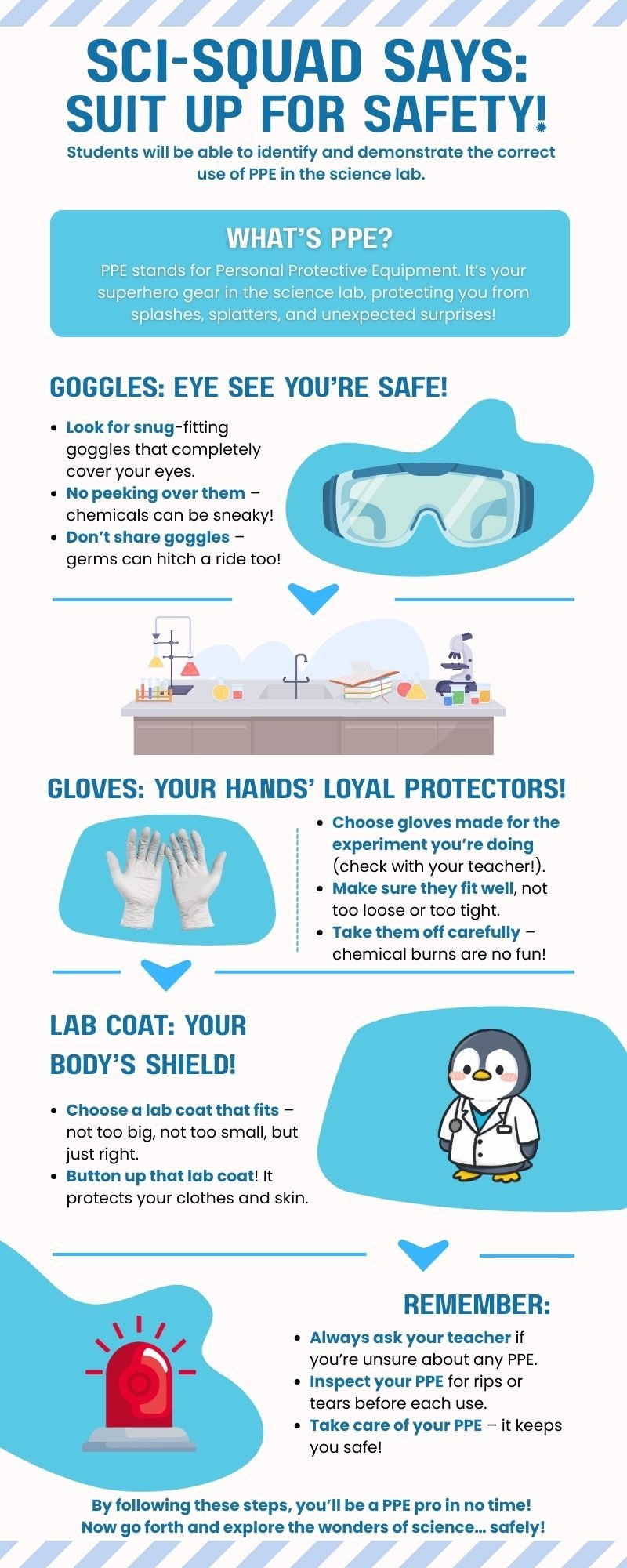
Sci-Squad: Transforming Safety Rules into Superpowers
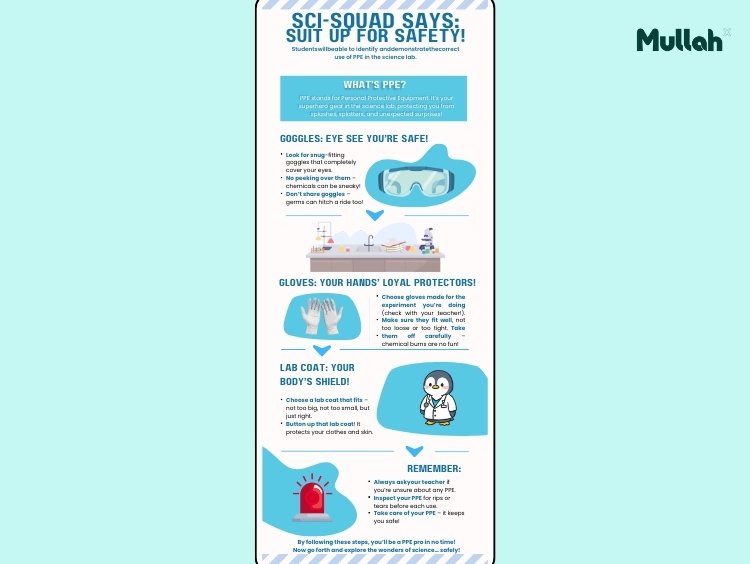
Designing safe and meaningful learning experiences goes beyond written instructions. Visual media often does the heavy lifting by turning essential information into something students can understand at a glance. In this project, I created an infographic that introduces science students to the proper use of personal protective equipment (PPE) in the lab. The goal was to take familiar but sometimes overlooked safety routines and translate them into a visual guide that is clear, memorable, and friendly enough for young learners to revisit often.

ACE_TECH5243_Module_2_Application-Visual Design Creating an infographic

The infographic grew out of the scenario for the Lab Safety curriculum. As I analyzed the learning objective, I focused on how visual hierarchy, color, and iconography could help students sort through the different pieces of equipment they need to wear. I wanted the design to feel inviting, not overwhelming, while still reinforcing the seriousness of safe lab behavior. The final product uses a science-lab palette, simple typography, and clean structure to support quick understanding and easy classroom use.

The Design Process

To make my design choices transparent, I recorded a brief screen-capture walkthrough that explains how I applied principles of contrast, alignment, proximity, and repetition. The video highlights the practical reasoning behind the layout, the challenges I encountered while refining the structure, and how each decision helped keep the learning objective at the center of the design. Together, the infographic and the walkthrough show how thoughtful visual design can strengthen instructional media and support safer science learning environments.

Sci-Squad: Transforming Safety Rules into Superpowers

Sci-Squad: Transforming Safety Rules
Infographic Resource Development & Evaluation

In this artifact, I developed a visual instructional aid titled “Cracking the Code,” designed to support learners in mastering complex vocabulary through the use of Concept Circles. Grounded in Gagne’s Principles of Instructional Design and Universal Design for Learning (UDL) guidelines, this resource leverages visual learning strategies to help the brain recall information faster.   

Beyond the graphic itself, this project includes a comprehensive Quality Assurance (QA) Checklist and Self-Evaluation. This analysis ensures the resource meets strict criteria for accessibility (such as high-contrast colors), cognitive load management (chunking), and cultural inclusivity (multilingual support). This artifact demonstrates my ability to create media that is not only visually engaging but technically sound and pedagogically rigorous.

Subscribe Now

Join the community to get updates on new projects, design insights, learning resources, and creative inspiration delivered straight to your inbox.

Address

© Ker Skills 2025 | All Rights Reserved.